.gif)
Ever briefed a video and got something back totally different from what you ordered?
Often, the problem is that the idea for the video was vague.
And as we know, stories thrive on specificity.
The "idea" - also known as the concept - describes what will happen on screen in one sentence.
In the film world, they call this the logline.
Get this right, and everyone is making the same film. Get it wrong, and you're in for painful revisions.
A good idea sentence usually answers three things:
It helps us see the video before the video is made.
Notice how these describe action, not just topics:
See the difference? You can picture those immediately.
This is where most briefs get stuck.
You might know why you want the video (the goal), but not what the video is (the idea).
The Goal:
"We want to raise awareness of the importance of sunscreen for new migrants."
The Idea:
"An animated explainer contrasting the mild sun of other climates with Australia's harsh UV index, showing how quickly burns happen."
See how the goal is the "why," and the idea is the "what"? We need both.
Sometimes you need a bit more detail. 1-3 lines is usually enough.
1. The Stolen River
2. Leadership Culture
Problem is, writing these summaries is hard. It’s not easy if you don’t do it every day.
So if you’re staring at a blank page, just ask your filmmaker. Filmmakers practice this for years.
A good production partner will listen to your rambling thoughts, ask a few questions, and say: "So, it’s a character profile of Fred at the river, right?"
That’s part of their job. Use them.
If you can describe what we see on screen, you’re 90% of the way there.
If you’re stuck in abstract themes like "innovation" or "community," try to find the action. Who is doing the innovating? Where does the community meet?
Nail that sentence - or get your filmmaker to nail it for you - and you’ll get the video you imagined.

To cut through the noise, your video must: amuse, anger, energise, educate, or surprise. Learn how to spark real emotion.
Read More
A video without a Call to Action (CTA) is a missed opportunity. We explain why you need to ask your audience to do something, provides a list of high-performing examples, and explains the golden rule of conversion: describe the value of clicking, not just the action.
Read More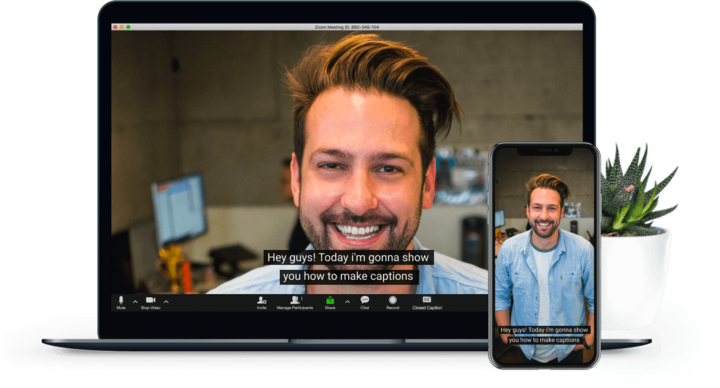
Most people watch video with the sound off. This post explains why captions are essential for accessibility and engagement (boosting view time by 12%), and breaks down the difference between "Baked-in" (Open) captions and SRT (Closed) captions so you can choose the right format for your project.
Read More
One of the most common questions in video production is "how long should it be?" This guide breaks down the optimal video lengths for every major platform in 2026 - including Instagram Reels, TikTok, LinkedIn, and YouTube.
Read More
Struggling to decide what kind of video to make? This guide breaks down the 12 most common video formats - from emotive Brand Stories and data-driven Case Studies to quick social Reels and Explainers.
Read More

